
Bloodwork vs. Live & Dry Blood Analysis: What’s the Difference?
At Functional Insight LLC, one of the most common questions is:
“Do I need bloodwork if I’m doing live and dry blood?”
The answer is straightforward—you need both, but for very different reasons.
These tools are not interchangeable. They serve completely different purposes, and when used together, they create a much more complete picture of what’s going on in the body.
Traditional Bloodwork: The Measurable Data
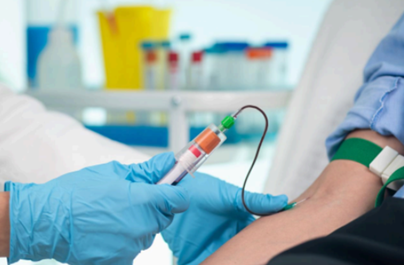
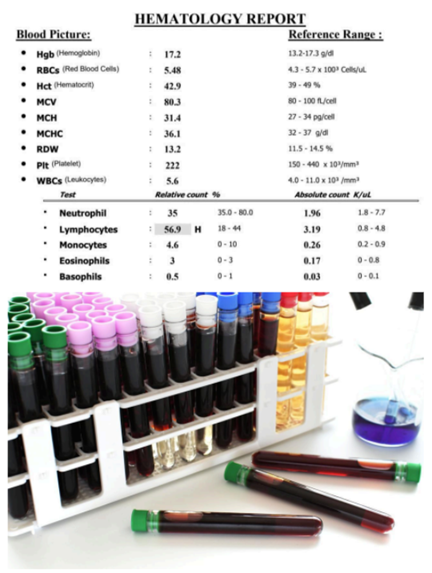
Traditional bloodwork is the foundation of modern healthcare. It is quantitative, standardized, and used to diagnose, monitor, and manage disease.
Common lab panels include:
CBC (Complete Blood Count)
CMP (Comprehensive Metabolic Panel)
Thyroid panels
Iron panels
Lipid panels
Hormone testing
These tests measure specific biomarkers such as:
Hemoglobin, hematocrit
White blood cell counts
Liver enzymes (ALT, AST)
Kidney function (BUN, creatinine)
Blood sugar (glucose, A1C)
Nutrients like B12, vitamin D, iron
What Bloodwork Does Well
Detects disease and pathology
Provides measurable, trackable data
Identifies deficiencies and dysfunctions
Standardized across medical systems
Accepted by all healthcare providers
Where Bloodwork Falls Short
Even when everything comes back “normal,” people can still feel:
Exhausted
Bloated
Inflamed
Struggling with weight
Dealing with hormone symptoms
That’s because “normal” is not always optimal—and bloodwork doesn’t always reflect what’s happening at the cellular or functional level in real time.
Live Blood Analysis: The Real-Time Visual
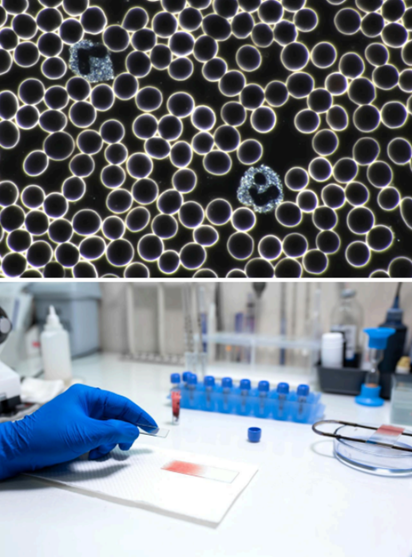
Live Blood Analysis allows you to see your blood immediately after collection, using darkfield microscopy.
Instead of numbers, you’re observing:
Red blood cell shape and movement
Cell hydration and spacing
Platelet activity
General blood flow patterns
Visual signs of stress within the blood environment
What Live Blood Shows
Cellular environment in real time
Hydration patterns
Circulation tendencies
General inflammatory patterns
Digestive stress indicators
Blood “terrain” (how cells are interacting)
Why It Matters
Seeing your blood live creates a visual connection to your health. It helps answer questions like:
Are my cells moving freely or sluggish?
Is my blood environment supporting oxygen delivery?
Does my lifestyle reflect in how my blood looks today?
This is where education becomes powerful—because clients can see what’s happening, not just hear about it.
Dry Blood Analysis: The Pattern After the Drop
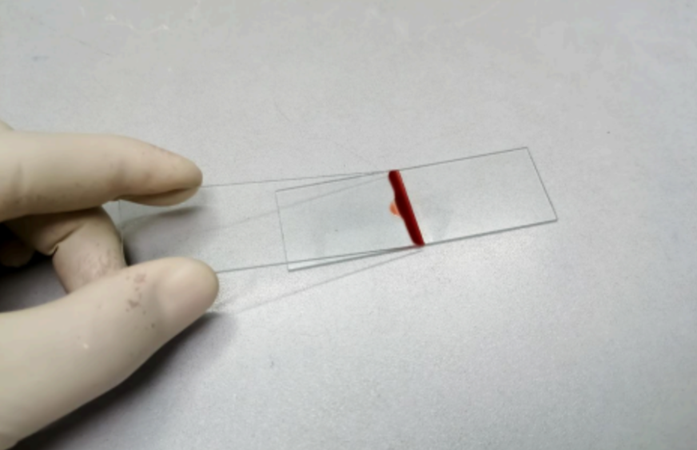
Dry Blood Analysis looks at blood after it has dried on a slide.
As it dries, it forms patterns that can reflect:
Oxidative stress
Circulatory tendencies
Nutritional imbalances
Stress load on the body
Digestive and liver stress patterns
What Dry Blood Adds
It gives a broader pattern-based view of how the body is handling stress over time, rather than just a moment-in-time snapshot.
Key Difference: Numbers vs. Patterns
Bloodwork Live & Dry Blood
Quantitative (numbers) Qualitative (visual patterns)
Diagnoses disease Supports education and awareness
Standardized Practitioner-interpreted
Measures internal chemistry
Observes cellular environment
Accepted medical tool Complementary wellness tool
Why You Should Use Both
This is where everything comes together.
At Functional Insight LLC, the goal is to connect the dots between:
What your labs say
What your cells look like
What your symptoms feel like
What your lifestyle is doing
Bloodwork tells you:
“Here are your levels.”
Live & Dry Blood shows you:
“Here’s how your body is functioning right now.”
Together, they allow for a more complete conversation around:
Digestion and absorption
Liver function
Inflammation
Hydration
Stress response
Nutrient utilization
A Practical Example
You could have:
Normal iron levels on bloodwork
But on live blood:
Red blood cells may appear poorly formed or not moving efficiently What does that mean?
It opens the conversation to:
Absorption issues
Digestive function
Cellular utilization of nutrients
Inflammation or stress affecting function
That’s where functional nutrition steps in.
Why This Approach Matters
Many people are told:
“Your labs look normal.”
But they still don’t feel right.
That gap is where education, visualization, and functional insight become valuable. Live and dry blood analysis:
Does not replace lab testing
Does not diagnose disease
Does not replace medical care
But it does provide context—and often helps guide what to do next. Final Takeaway
If you want clarity in your health, don’t choose one over the other. Use:
Bloodwork for data
Live & Dry Blood for insight
At Functional Insight LLC, both are used together to help you stop guessing and start understanding what your body may be showing.
Disclaimer
Live and Dry Blood Analysis is for educational and wellness purposes only. It is not a diagnostic tool and does not replace medical evaluation, diagnosis, or treatment from a licensed healthcare provider.
